
How much should an agent think? DCode's four reasoning levels
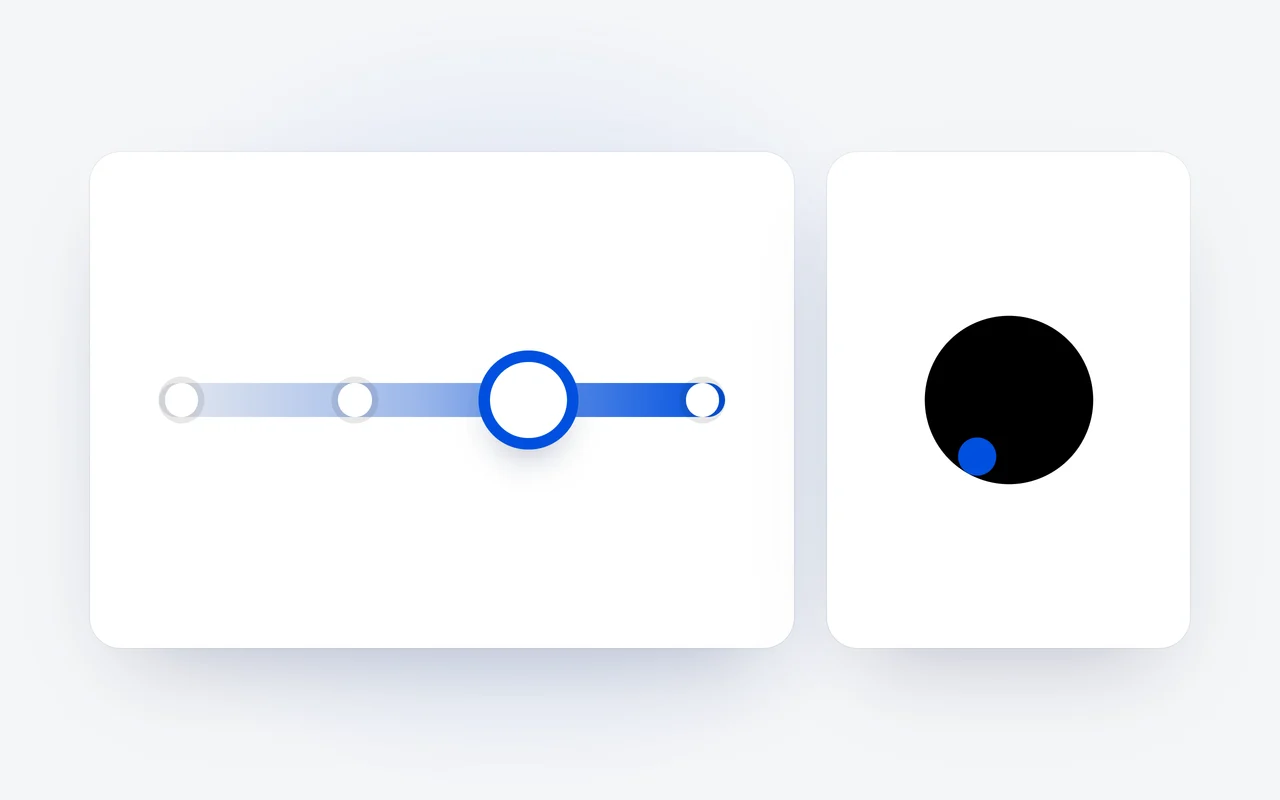
DCode lets you set how much the model thinks before it answers, on four levels: Off, Low, Standard and High. A model starts on Standard, a balance of speed and depth. High pays off on hard problems, and lower levels are quicker on simple ones. More thinking means more output tokens and more time.
Key facts
- Since DCode 2.0.3, reasoning has four levels, Off, Low, Standard and High, in the desktop app and in the CLI.
- Standard is the default: a model you pick starts on it, for a better balance of speed and depth.
- Higher effort is usually steadier, but slower; High is the most thinking, for hard problems.
- Reasoning tokens are output tokens. On a plan, more reasoning uses more of your windows; on API credits it bills at the output price, $2.50 per 1M tokens on Raven Flash and $6.25 on Raven Max.
Before a model answers, it can think: work through the problem, weigh the options and plan its next step. That thinking takes time, and it is written out as tokens before the answer. An agent calls the model again and again in one task, so how much it thinks shapes how fast the task moves and how much of your allowance it uses. In DCode, you choose.
What are DCode's four reasoning levels?
DCode 2.0.3 made reasoning four steps: Off, Low, Standard and High. Reasoning effort sets how much the model thinks before it answers.
Off
No thinking first: the quickest answers.
Low
A little thinking.
Standard
Where a model starts: a balance of speed and depth.
High
The most thinking, for hard problems.
You pick the level for each conversation, in the desktop app and in the CLI, and you can change it at any time. In the CLI, /model is an arrow-key picker with a thinking bar, and the status line shows the model and its level as you work.
Where does DCode start?
On Standard. Since 2.0.3, Standard is the default, for a better balance of speed and depth, and a model you pick starts on it. It is a sound level for everyday work: enough thinking to plan a change and check it, without making every small step wait.
When does High pay off?
High is the most thinking, for hard problems. Higher effort is usually steadier, but slower, so High pays off where a wrong step costs more than the wait: hard debugging, an architecture decision, a long refactor, work where a mistake is expensive. Those are also the jobs Raven Max is best for, so the two go well together when a change has to be right.
When is a lower level enough?
Low is a little thinking, and Off answers with no thinking first, for the quickest answers. They suit work where the next step is plain: quick edits, fast agent loops, high-volume work. That is the everyday work Raven Flash is best for, and a lower level keeps it quick.
What does more thinking use?
More reasoning means more output tokens and more time. Reasoning tokens are output tokens, so a higher level writes more of them before the answer. On a plan, longer conversations and higher reasoning effort use more of your 6-hour and weekly windows. On API credits, DCode pays at the per-token API prices, and reasoning bills at the output price:
API prices per 1M tokensUS dollars
| Model and rate | US dollars |
|---|---|
| Raven Max, output | 6.25 |
| Raven Flash, output | 2.50 |
| Raven Max, input | 1.25 |
| Raven Flash, input | 0.50 |
On both models, an output token costs more than an input token, which is why thinking is worth spending where it counts. Our story on what an AI task costs works real tasks through to the cent, reasoning included.
How do I choose?
Start on Standard. Move up to High for the hard part of a task, and back down when the work turns routine. The model matters as much as the level: Raven Max or Raven Flash? sets out which one suits which job. The CLI's picker and thinking bar are in our story on the DCode CLI 2.0, and every setting is in the Model settings docs.
Questions and answers
Which reasoning level does DCode start on?
Standard. A model you pick starts on Standard, the default since DCode 2.0.3, for a better balance of speed and depth. You can change the level at any time.
Does a higher reasoning level use more?
Yes. Reasoning tokens are output tokens, so more thinking means more output tokens and more time. On a plan, higher reasoning effort uses more of your 6-hour and weekly windows; on API credits, reasoning bills at the output price.
Should I leave DCode on High?
Not for everything. High pays off on hard problems, where a wrong step costs more than the wait. For quick edits and simple steps, Low or Off answer sooner and use fewer tokens.
First published Last updated